
Live community appeal
Solar Pump #19 in progress
£978 raised of £1800
54% funded · £822 to go
Jazak Allahu Khairan to our recent donors 🤲
Salman N., Aneeq A., Aneesa T., Rehan H., Shayasta H.
Thank you for your continued support — may Allah accept it.
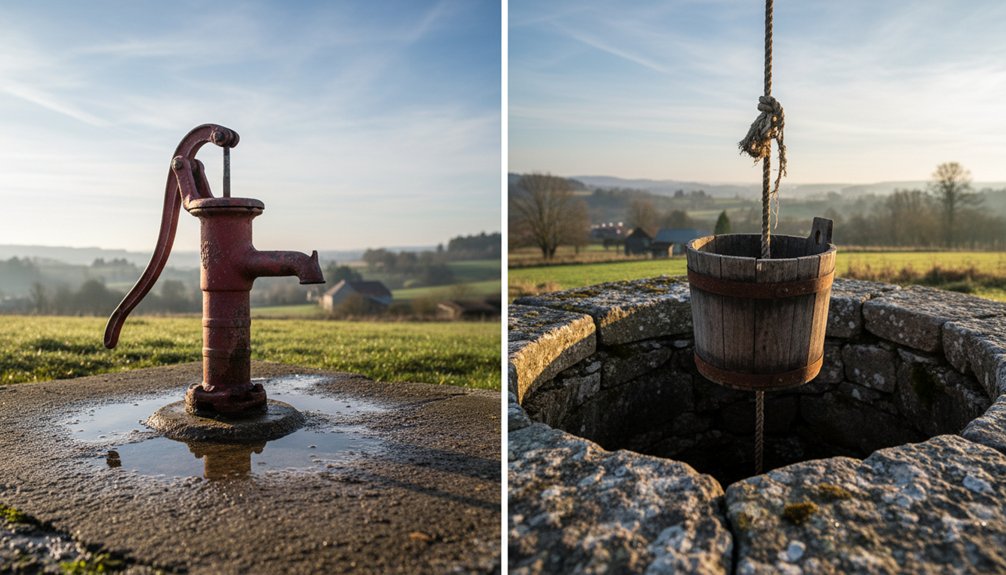
A water well is a drilled shaft that accesses underground water sources , while a pump is the device that brings this water to the surface. A well cannot provide water without a pump, and a pump cannot function without a well’s water source. Together, they create a system that supplies clean water to communities. Wells typically cost between $3,000 and $15,000 and can serve 300 to 500 people, whereas pumps range from $500 to $2,000 and serve 50 to 150 people. Knowing the specific functions of each component allows for better decision-making regarding funding for effective water supply solutions.
Should You Fund a Well, Pump, or Both?
When considering a charitable donation for clean water access , you must choose between funding a water well , a water pump , or a complete system . Each option plays a distinct role in delivering clean water to communities.
A well without a pump requires manual labor for water extraction, limiting daily usage. On the other hand, a pump without a properly installed well can’t function. The most effective solution is to combine both components.
“Wells and pumps are interdependent-neither functions optimally alone, making their combination essential for effective water access solutions.”
Wells and pumps are interdependent-neither functions optimally alone, making their combination essential for effective water access solutions.
Well installation provides access to underground water sources, while a pump ensures reliable access to that water. Although complete systems have higher initial costs, they offer long-term sustainability. Reliable pumps improve community health and enhance living conditions, making them a vital component of any water solution.
Evaluate your budget and the specific needs of the community you’re supporting when making your decision.
How Water Wells and Hand Pumps Work Together
A water well system consists of two main components: the well and the hand pump . The well’s function is to reach underground water sources and hold it in a drilled shaft. The hand pump extracts this water to the surface through mechanical action.
The effectiveness of the well depends on its depth, casing quality, and the water table’s height. The pump’s efficiency is determined by its lift capacity , which must align with the well’s depth and diameter.
When the pump handle is operated, it creates suction that brings water upward through a cylinder system. The well supplies the water, and the pump delivers it to where it’s needed. Together, they provide a reliable water access solution for communities without infrastructure.
Comparing Costs: Wells vs Pumps Per Beneficiary
Understanding the financial investment required for each water solution is essential for organizations and communities when making decisions about their water infrastructure projects. A cost analysis reveals that water wells generally involve higher initial expenses but provide long-term service to a larger number of people. In contrast, hand pumps have lower upfront costs but may require more frequent maintenance and serve a smaller population.
“Water wells demand greater upfront investment but deliver sustained value through broader community reach and extended service capacity.”
Water wells demand greater upfront investment but deliver sustained value through broader community reach and extended service capacity.
Consider the following key factors when developing funding strategies:
- Initial installation costs : Wells range from $3,000 to $15,000, while hand pumps range from $500 to $2,000.
- Maintenance expenses : Wells typically incur $200 to $500 annually, whereas pumps average $100 to $300 per year.
- Cost per beneficiary : Wells can serve 300 to 500 people, leading to a lower cost per beneficiary, while pumps serve 50 to 150 people.
The decision between wells and pumps should be based on available budget, community size, and long-term sustainability objectives. Moreover, community training programs are crucial for ensuring that local residents can maintain and repair the water systems effectively.
What Water Pump Maintenance Really Costs Communities
Water pumps have a lower initial investment compared to wells, but their ongoing maintenance costs can become a significant financial burden for communities over time. Hand pumps require regular servicing , replacement parts, and skilled technicians for proper functioning. These costs can accumulate quickly, particularly in rural areas where qualified mechanics may not be readily available.
The implications for the community go beyond financial aspects. When pumps malfunction, access to water is interrupted until repairs are completed. This downtime can disrupt daily activities, impact hygiene, and necessitate long journeys to obtain water.
Additionally, communities need to establish maintenance committees , collect fees from residents, and manage repair schedules . These administrative responsibilities demand time and effort that could be allocated to other essential tasks, making the management of pump systems more challenging than initially anticipated.
Which Water Projects Deliver the Greatest Impact?
When evaluating water access solutions, the impact involves more than just supplying water to a community. Effective solutions for water scarcity must consider various factors that influence long-term sustainability and community health.
Successful projects typically have the following characteristics:
- Sustainable maintenance plans to ensure equipment remains operational over time.
- Community training programs that enable local residents to manage their water systems effectively.
- Integration with sanitation infrastructure to enhance health outcomes.
Wells often provide a greater impact compared to standalone pumps because they’re less affected by seasonal changes and require less frequent maintenance.
Reliable water access leads to improved child survival rates , a decrease in waterborne diseases , and higher school attendance. These benefits highlight why wells are often the preferred option for achieving lasting change.