
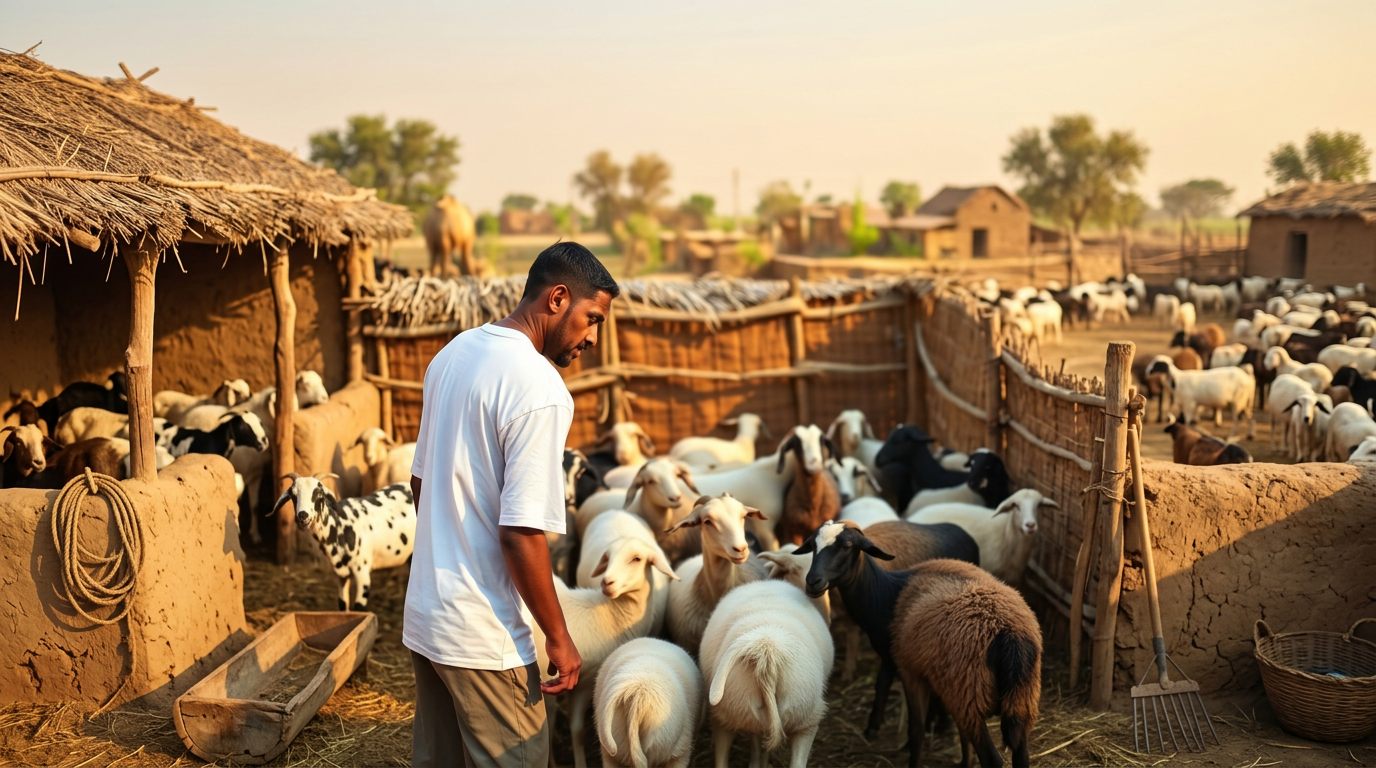
Zabiha for Sadaqah
Providing Nourishment and Hope to the Needy
GIVE YOUR ZABIHA
Zabiha is a voluntary act of charity through halal animal sacrifice and meat distribution to the poor. It is not limited to a specific time or occasion. Meat is a luxury that many poor families around the world seldom enjoy — HNCO delivers it as a Sadaqah, adding much-needed protein and dignity to their meals.
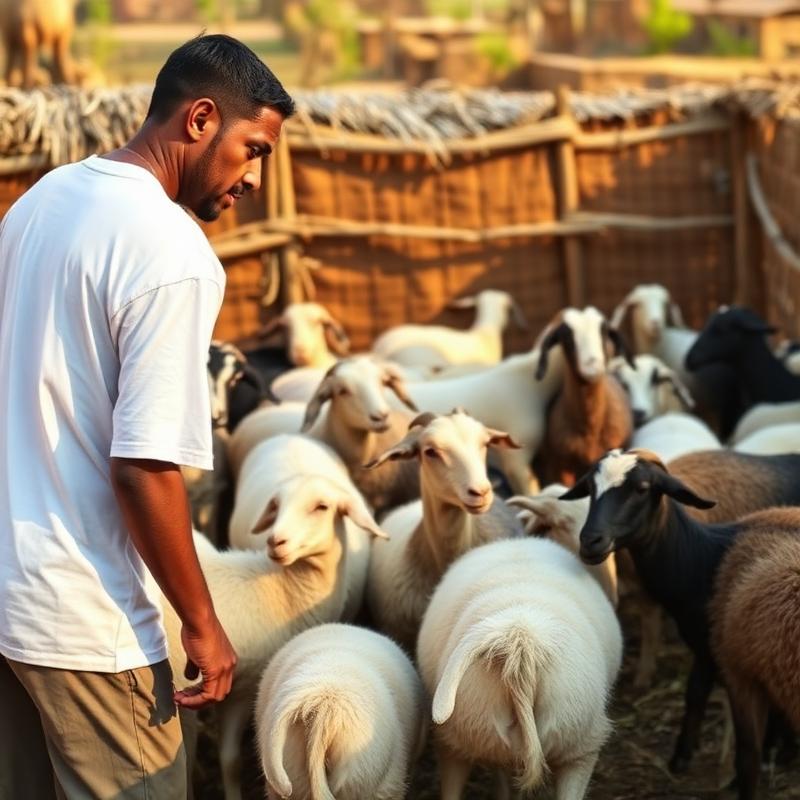
Whole Sheep/Goat — Kenya
£60
Whole Sheep/Goat — Pakistan
£80
Zabiha vs Qurbani — what's the difference?
Qurbani is the specific sacrifice performed only during the days of Eid-ul-Adha (10–13 Dhul-Hijjah) and is a confirmed Sunnah for every adult Muslim who meets the Nisab. Zabiha for Sadaqah, by contrast, is a voluntary charitable slaughter that can be given any day of the year. Both involve halal slaughter of the same kinds of animals, but the intention, timing and ruling differ.
Planning ahead for Eid? Visit our dedicated Qurbani 2026 page.
"The best charity is that which is given when one is in need and struggling." — Prophet Muhammad (PBUH), Sahih al-Bukhari
Feeding the hungry is among the most beloved acts in Islam. The Prophet (PBUH) said: "He is not a believer whose stomach is filled while his neighbour goes hungry." (Al-Adab Al-Mufrad). Zabiha for Sadaqah turns these teachings into a hot meal for a family that may go without meat for months at a time.
Providing Nourishment and Hope to the Needy
Zabiha is a noble and time-honored practice of animal sacrifice and meat distribution for the benefit of the less fortunate. At its core, zabiha is an act of giving that transcends all boundaries of culture, language, and geography. Whether performed during Eid-ul-Adha or throughout the year, zabiha is a means of giving back to society and fulfilling the commandments of Allah.
At HNCO, we believe that every person has the right to basic necessities, including access to nutritious food. However, for many people living in poverty, meat is a luxury that is rarely affordable. This is where zabiha can make a difference. By providing halal and healthy meat to the needy, we are not only satisfying their physical hunger but also giving them hope and dignity.
Our zabiha program is designed to reach out to the most vulnerable communities and individuals, including widows, orphans, refugees, and the elderly. Through the generous donations of our supporters, we are able to conduct zabiha operations in different parts of the world and distribute the meat to those in need. We ensure that the animals are treated with utmost care and compassion, and that the meat is prepared and distributed according to the highest standards of hygiene and quality.
Join us in our mission to spread compassion and kindness through zabiha for Sadaqah. Your donation can make a difference in someone's life and bring them closer to Allah's mercy. With your support, we can continue to provide nourishment and hope to the needy, one zabiha at a time.
Where your Zabiha goes
Kenya — £60 per sheep/goat
Healthy animals sourced locally, slaughtered to halal standard, and the fresh meat distributed the same day to families in rural Kenyan communities our teams already serve through HNCO's water and food projects.
Pakistan — £80 per sheep/goat
Distributed to widows, orphans and low-income families in the regions of Sindh and Punjab where HNCO partners on long-term food, water and orphan-support programmes.
Looking for other Sadaqah options? See Give Sadaqah 2026, Sadaqah Jariyah water pump or feed the hungry.
Zabiha FAQs
What is Zabiha for Sadaqah?
Zabiha for Sadaqah is the voluntary slaughter of a halal animal — typically a sheep or goat — with the fresh meat distributed to poor and vulnerable families as a charitable gift. Unlike Qurbani, it is not tied to Eid-ul-Adha and can be performed at any time of year.
What is the difference between Zabiha and Qurbani?
Qurbani is the specific sacrifice performed during the days of Eid-ul-Adha (10–13 Dhul-Hijjah) and is a Sunnah Mu’akkadah for those who can afford it. Zabiha for Sadaqah is voluntary, can be given any day of the year, and is purely a charitable act of feeding the needy.
Can Zabiha be performed at any time?
Yes. Because Zabiha for Sadaqah is voluntary charity, you can request it at any time — to mark a birth or wedding (Aqiqah-style intention), to fulfil a vow (Nadhr), in gratitude to Allah, or simply to feed a community in need.
What animals qualify for Zabiha?
HNCO uses healthy sheep and goats that meet halal age and condition requirements. Each animal is slaughtered by a trained Muslim handler reciting Bismillah and Allahu Akbar, in line with Shariah.
Where does the meat go?
The fresh meat is distributed directly to widows, orphans, the elderly, refugees and other vulnerable families in our active project areas — currently Kenya and Pakistan — under HNCO’s 100% donation policy.
Can I give Zabiha on behalf of a deceased loved one?
Yes. Zabiha for Sadaqah on behalf of a parent, relative or friend (living or deceased) is a recommended and highly rewarded form of charity. Add the dedication name when you donate.